
I didn’t always see myself becoming a therapist. For a long time, I thought I’d end up in sports or nursing because that’s where life seemed to be leading me. But no matter what I was doing, I was always the person friends and family turned to when life felt heavy or confusing. I didn’t always have the answers, but I was comfortable sitting with people in those moments when things didn’t make sense yet.
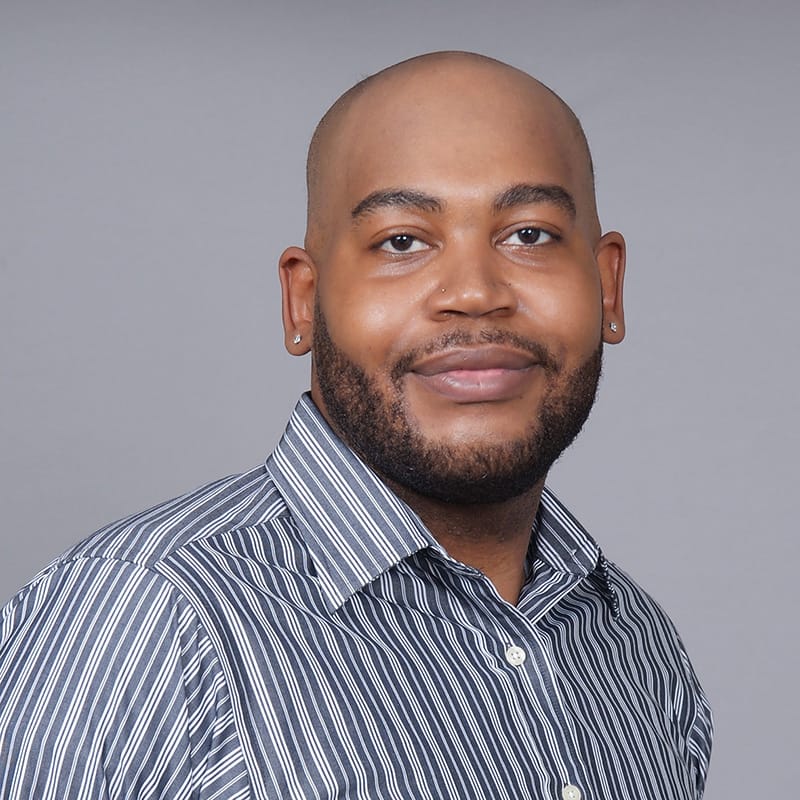
I’m Patrick, and the COVID-19 pandemic changed everything for me.
There was so much loss, isolation, and grief happening all at once, and most people weren’t reaching out for professional support because of the stigma around mental health. They leaned on the people they felt safe with instead. During that time, I realized I was far more interested in understanding people’s inner worlds than anything else I was studying.
Therapy with me is less “sit on the couch and tell me your deepest secrets immediately” and more two people working together to figure out what’s going on beneath the surface. I ask questions that might make you pause, not because I’m trying to get somewhere specific, but because I’m curious about how you experience your life. I’ve noticed that a lot of people can describe events in great detail, almost like they’re watching their own life from the passenger seat, but have a harder time connecting with the emotions underneath. That’s often where the most meaningful work begins.
People who know me well would say I pick up on subtle shifts in energy and body language that most people don’t register. I can sit with discomfort longer than most people, and I don’t rush you through difficult emotions or force solutions. Sometimes the most valuable thing is having someone willing to sit with you while you work through it.
I’m not a therapist who nods silently or offers generic reassurance.
If something doesn’t make sense, I’ll gently explore it with you. If I notice a pattern emerging, I’ll name it. I don’t view therapy as a performance of being endlessly supportive. I view it as real work between two people trying to understand something complex and move toward growth.
Part of how I work is helping you articulate things you didn’t even realize you were carrying and I pay attention to who you are as a whole person, not just what brought you into the room. Clients have told me I don’t let them spiral, but I don’t shut them down either. That balance is something I work hard to maintain because I believe people don’t resist change – they resist feeling unsafe while changing.
I work with emerging adults, adults, and couples, especially people who seem to be functioning well on the outside while feeling overwhelmed on the inside.
If you’re navigating anxiety, overthinking, identity questions, relationship patterns, burnout, or trauma that keeps showing up in your daily life, that’s where I do my best work. I’m especially drawn to people who are curious about themselves, even if they’re not entirely sure where to start.
You don’t need to know how to “do therapy” correctly. A lot of people start simply because something feels off, even if they can’t fully explain why. That’s enough. If it feels confusing, it probably means something important is happening.