I started out in fashion, then took one course on the correctional system during undergrad and ended up in law school planning to practice criminal defense because I wanted to help people caught in the system. But I quickly realized that what I really wanted to do couldn’t happen in a courtroom. The kind of help I wanted to provide went far beyond legal arguments and courtroom strategy. That’s when I found forensic social work.
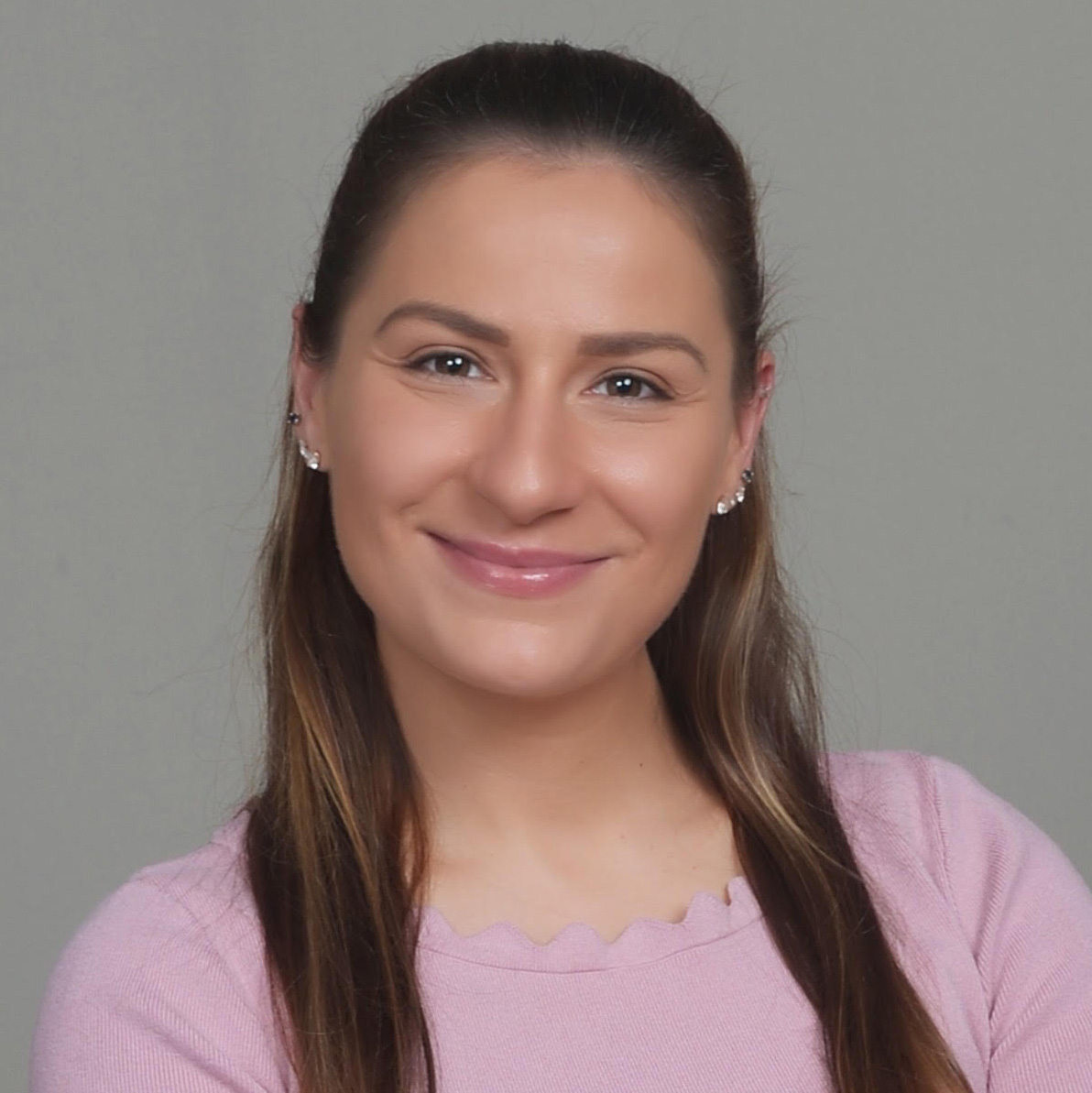
I’m Amanda, and I’ve always been drawn to working with people that others tend to shy away from.
The ones who walk into sessions expecting judgment because that’s what they’ve gotten everywhere else. Adults with criminal justice involvement or people navigating trauma and risk are the places I do my best work. I have a pitbull named Maisie who I call my “dog-ter,” and I think there’s something fitting about that. People write off pitbulls the same way they write off some of the people I work with. They’re quick to judge based on assumption rather than just getting to know who’s in front of them.
What makes my approach different is that I don’t care what’s written in the reports or how you’re defined on paper. I care about your version of the story and how it made sense to you at the time. A lot of the decisions people regret come from not feeling like they have value in the first place, so building your self-worth is central to the work we do together.
I’m very direct with clients, especially those who come in thinking I’m going to give them answers or tell them what to do.
That’s not my role. My job is to help you understand your patterns and what’s underneath them so you can make decisions differently moving forward. I use CBT, DBT, and somatic interventions, and I’m expanding my work through models like MRT. I also use humor when it fits, because sometimes that’s what makes things feel real and not like a clinical script.
Clients often tell me they expected to feel judged or misunderstood and were surprised when they didn’t. I’ve been told I feel different from others they’ve met “in the system,” and that working together changed how they see therapy entirely. One of the most meaningful things I hear is that people start to feel like they actually have worth, and that talking things through feels better than shutting down or bottling things up. My favorite feedback is when someone says “I didn’t even want to be here, but now I actually look forward to it each week.”
Outside of sessions, I’m usually working on something creative. I love experimenting with different mediums and have a number of resin, Cricut designs, sketching, and engraving projects underway. I’m also obsessed with jigsaw puzzles, which probably makes sense given that my work is about piecing together someone’s story from fragments that don’t always seem to fit at first.
I believe all people are capable of change and that no one should be defined by a single moment or mistake. Mistakes are part of being human – it’s what you do after them that matters. If we’re not learning from our mistakes, we’re not doing it right.